







Search Results for: Café no-smoking policy
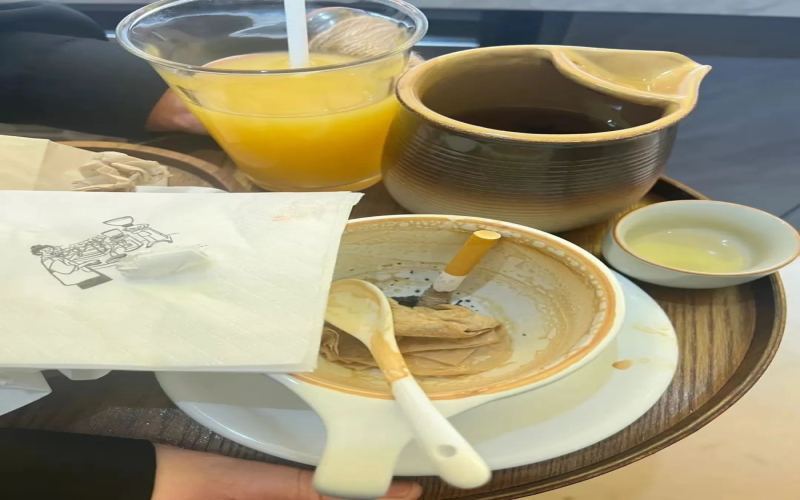
A Coffee Shop Owner's Dilemma: How Should No-Smoking Rules Be Properly Enforced When Customers Smoke Indoors?
A novice coffee shop owner is asking for help online: the shop has an explicit no-smoking rule, yet they have encountered an awkward situation where a customer insists on smoking and even throws a cigarette butt into a coffee cup. Faced with a situation that both disrespects the shop's rules and may risk triggering negative reviews, how should the owner handle it? Many fellow business owners and netizens have shared their views, discussing public place smoking bans, customer feelings, and the rights of operators. This article sorts out the opinions from all sides and explores feasible solutions such as setting up an outdoor smoking area, helping coffee shop owners find a balance between maintaining a good environment and avoiding conflict. [more…]

Late-night fire at a cafe in Kostroma, Russia kills 15, raising fresh alarm over fire safety
A sudden fire reduced a café in Kostroma, Russia, to ruins in the early hours of the morning. At around 2 a.m. on November 5, the café caught fire and the flames spread rapidly, ultimately causing 15 deaths and 5 injuries, with the burned area reaching 3,500 square meters. A preliminary investigation suggests the fire may have been triggered by a drunk man firing a flare gun inside the premises. This tragedy once again reminds us that fire safety in public places cannot be ignored. Whether it is an ordinary café or a coffee shop that roasts its own beans, electrical equipment, fire extinguishing equipment, and gas use are all links that must be strictly controlled. This article will recount the course of the incident and share practical advice on fire safety for coffee shops. [more…]
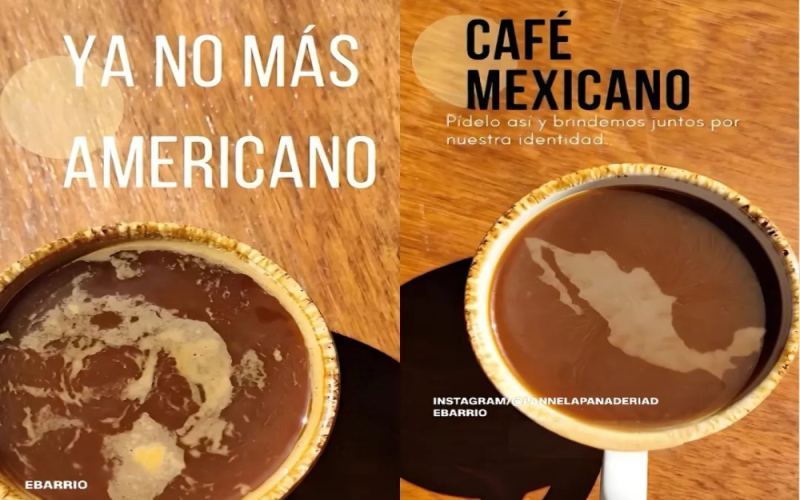
Mexican Coffee Shops Rename Americano to Mexicano, Responding to U.S. Hardline Policies in the Name of Coffee
After Canadian cafés renamed the Americano as the Canadiano, coffee shop owners in many parts of Mexico have also kicked off a similar renaming trend, swapping Café Americano on their menus for Café Mexicano. Behind this seemingly small gesture is a collective response by the Mexican public to a series of hardline measures by the United States — its immigration policies, tariff threats, and the renaming of the Gulf of Mexico. From Mexico City to Monterrey and Guadalajara, the campaign is spreading rapidly through social media, and the name of a cup of coffee is turning into an expression of identity and political stance. [more…]
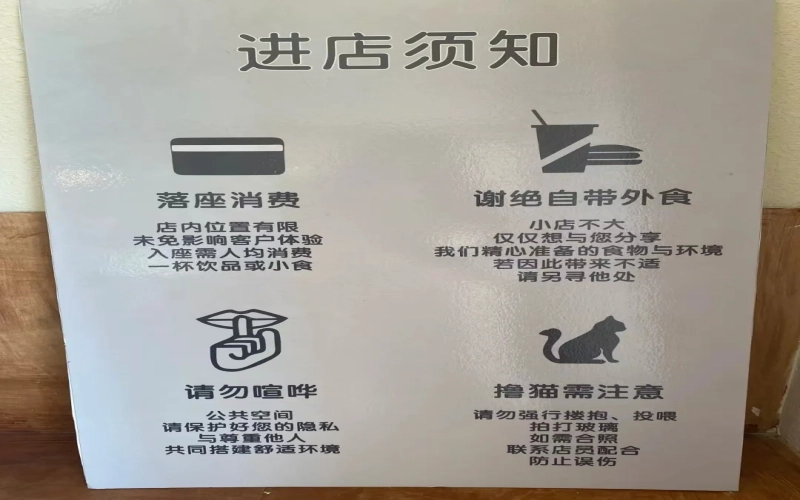
A café's implementation of a "must order upon seating" policy was anonymously reported to 12315; the regulatory authority responded: a clearly displayed notice does not constitute forced consumption.
In chain brands and independent cafés alike, the phenomenon of customers occupying seats without ordering has long plagued operators. Recently, a café owner faced negative reviews and was then anonymously reported to 12315 for setting a rule requiring a purchase to be seated, sparking widespread attention. Regulatory authorities made it clear that if there is a clear notice in the store, it does not constitute forced consumption. This article reviews the course of events, combines lawyers' views with the current state of the industry, explores the legal boundaries of consumption-based seating and the survival difficulties of independent cafés, and also provides reference and lessons for others in the industry. [more…]
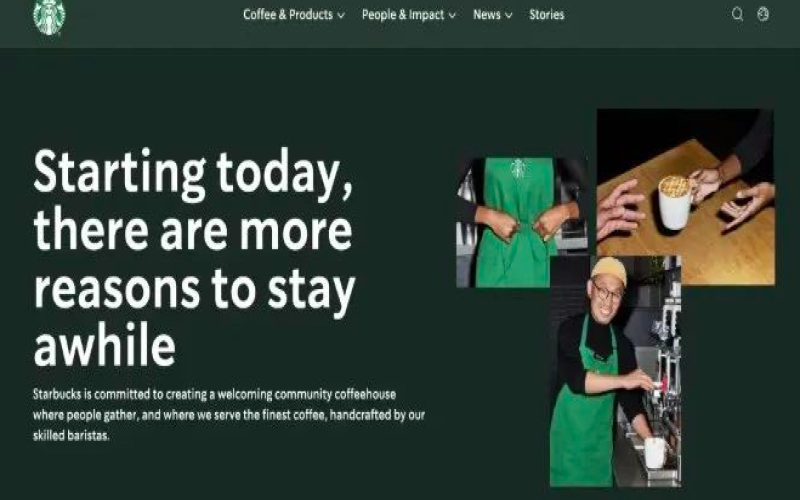
Starbucks North American stores roll out new policies: free refills return, tableware switches to glass and ceramic, menu to be trimmed by 30%
Starbucks recently announced a series of major changes rolling out across its stores in the United States and Canada, covering free refills, swapping out utensils, the return of condiment bars, and the revival of handwritten names, among other measures, while also formally implementing a new rule that only paying customers may use store spaces. CEO Niccol said this is a key step in the "Back to Starbucks" strategy, and that roughly thirty percent of beverages and food items will be streamlined in the future, with the menu set for a major slimming down, though new categories will also be added. Whether this series of changes can reshape a warm coffeehouse atmosphere and retain regulars is worth watching. [more…]
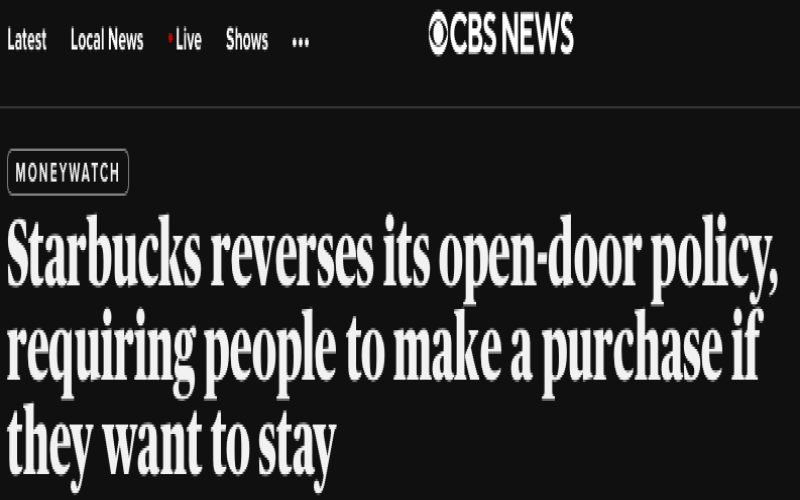
New Starbucks Policy in North America Ends Loitering Without Purchase, Chinese Stores Not Yet Following Suit
Starbucks recently announced the revocation of its long-standing open policy, requiring customers to make a purchase to enter all stores in North America, and introduced a new customer code of conduct. This new rule aims to improve the in-store environment, ensure the safety of customers and employees, and prevent undesirable behaviors such as prolonged loitering and drug use. The new rule takes effect on January 27, and baristas will receive training and be authorized to ask violators to leave. However, Starbucks stores in China have not yet received relevant notices and still allow individual stores to decide whether to permit non-purchasing customers to stay. [more…]

Why Do So Many Baristas Have Tattoos? Looking at Professional Belief and Individual Expression Through the Evolution of Starbucks Policy
In chain-brand stores or independent coffee shops, baristas with tattoos are becoming increasingly common. Some joke that "having a big tattooed arm is the first step to becoming a barista," while others wonder "why do all baristas have tattoos?" Behind this phenomenon lies both the evolution of industry culture and the loosening of restrictions on employees' individual expression by companies like Starbucks. Starting from discussions on social platforms, this article reviews the changes in Starbucks' tattoo policy, explores the relationship between tattoos and baristas' professional identity, passion, and professionalism, and reminds readers to view tattoo choices rationally, not judge people by their appearance, and ultimately evaluate whether a barista is qualified based on coffee quality rather than appearance. [more…]
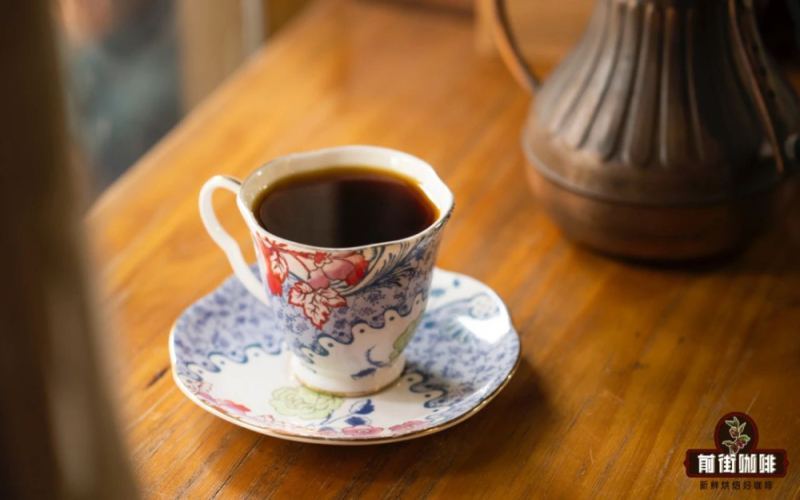
Exploring Costa Rican Coffee: A Full Analysis of Flavor Characteristics, Eight Major Regions, and Variety Classification
Costa Rica, a Central American country, nurtures consistently high-quality Arabica coffee thanks to its high altitude, fertile volcanic soil, and microclimates. Since the introduction of coffee in 1729, the local government has promoted the refined development of the coffee industry through policies such as tax exemptions, land incentives, and legislation mandating the cultivation of only Arabica. This article will guide you through Costa Rica's coffee cultivation history, the distribution of its eight major producing regions and their flavor differences, and provide an in-depth analysis of the characteristics of major varieties such as Caturra, Catuai, Geisha, and Bourbon. Finally, it includes brewing suggestions from Front Street Coffee to help you gain a comprehensive understanding of this Central American coffee powerhouse. [more…]
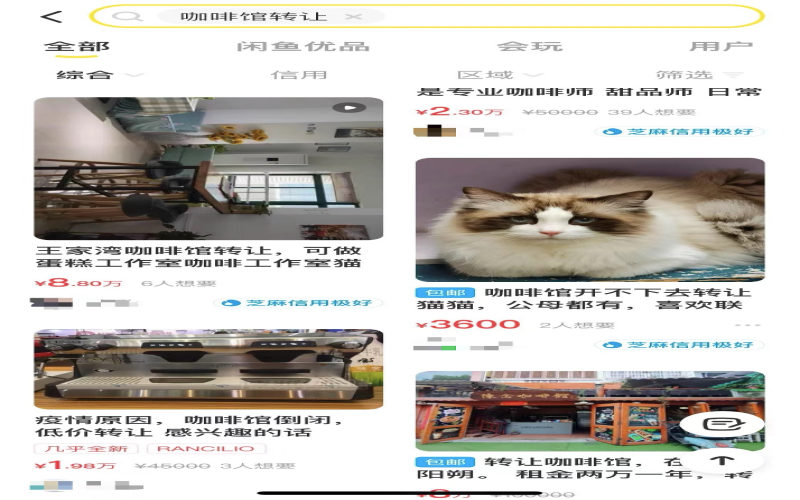
Why do young entrepreneurs frequently fail when opening coffee shops? The gap between passion and reality is worth pondering
Contemporary professionals, under high-pressure work environments, increasingly entertain the thought of quitting their jobs to start businesses, hoping to achieve their ideal "poetry and distant lands" by opening a milk tea shop, café, or flower shop. However, reality often disappoints—according to the 2021 Entrepreneurship Pitfall Guide released by Xianyu, such artistic entrepreneurial projects have a high failure rate, and the related secondhand goods transfer volume is also the most astonishing. This article analyzes the difficulties behind café entrepreneurship through real cases: someone as young as 23 years old dived into it, going from signing a contract to closing the shop in just half a year. What factors led these passionate entrepreneurs to fail? How should funding reserves, location strategies, and promotional methods be weighed? Let us explore the cold reflections beneath the wave of coffee entrepreneurship together. [more…]

Daily free coffee limits for café staff spark debate, with big differences in rules across shops
Does working at a coffee shop really give you "coffee freedom"? The rules on daily free coffee for employees vary wildly from store to store. Some people assume that working at a coffee shop means unlimited free drinks, but the reality is quite different. Recently, a netizen raised a question on social media: how exactly do private coffee shop owners regulate how much coffee their employees can drink each day? The topic sparked widespread discussion, and many coffee shop owners chimed in to share their management experience and views. [more…]

Costa Rican Coffee from Introduction to Rise: A Full Analysis of Producing Regions, Variety Characteristics, and Bean Grading
Costa Rica is an important specialty coffee-producing country in Central America. Thanks to its high altitudes, volcanic soils, and microclimates, it cultivates Arabica coffee that is clean and sweet with bright acidity. This article reviews the history of coffee cultivation and the evolution of policy in Costa Rica, introduces the eight major producing regions and main varieties, including Caturra, Catuai, Geisha, and Bourbon, and explains the altitude-based grading system. The article also draws on Front Street Coffee's cupping and brewing experience to provide flavor references and pour-over recommendations for regions such as Tarrazu and the Western Valley, making it suitable for coffee enthusiasts who want a systematic understanding of Costa Rican coffee. [more…]
A Comprehensive Analysis of Brazilian Coffee Brands: From Arabica and Robusta to Front Street Coffee Recommendations and Local Instant Coffee Giants
Want to know which brand of Brazilian coffee beans is best? This article starts with the flavor and varieties of Front Street Brazilian coffee, systematically sorting out the characteristics, origins, and uses of the two major coffee bean species, Arabica and Robusta, and takes a deep dive into the three major conglomerates in Brazil's instant coffee market as well as the local brands favored by the people of Rio. It also recommends two Rio cafés where you can buy fresh coffee beans, along with a list of affordable brands praised by netizens, providing coffee lovers with a practical guide to buying Brazilian coffee. [more…]

Customer Brings Own Cup to McDonald's for Coffee, Asked to Use Disposable Cup for Transfer; Employee Says Company Policy Prohibits Customer Containers in Preparation Area
Bringing your own cup to buy coffee is inherently an eco-friendly gesture, but one consumer ran into an unexpected situation at McDonald's: the staff first poured the drink into a disposable cup, then transferred it into the customer's cup. The store explained that customer containers cannot enter the preparation area due to hygiene regulations. The incident sparked widespread discussion—some understood McDonald's food safety considerations, while others felt that using an extra plastic cup defeats the original eco-friendly purpose. So how exactly should bring-your-own-cup work at fast-food restaurants? Front Street Coffee takes you through the details. [more…]
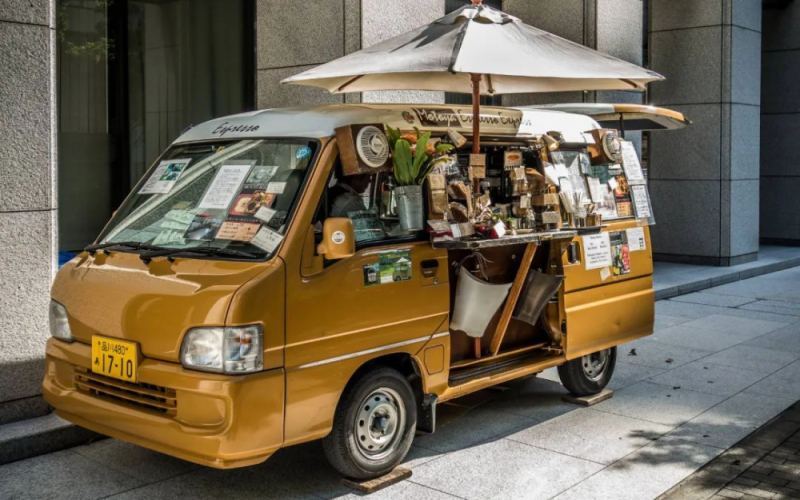
Can a mobile coffee truck operate legally? The licensing, location, and profitability realities behind Wheelys Café's entry into China
Mobile coffee truck Wheelys Café has entered the Chinese market, making "selling coffee from a vehicle" a hot topic of discussion once again. Is a mobile coffee truck actually legal? Does it need a business license and a health permit? What should be considered when choosing a location? Can it really make money? Drawing on the real experiences of coffee truck operators, this article breaks down the realities of running a mobile coffee truck one by one—from business motivation, profit expectations, equipment preparation, and permit applications to location strategies and complaint risks. It also retains Front Street Coffee's specialty bean recommendations and communication channels, offering a calm and practical reference for those considering giving it a try. [more…]

Costa Rica Coffee Garden Estate: A Comprehensive Interpretation of the Flavor Characteristics of Washed Green Beans
Costa Rica is an important coffee-producing country in Central America, home to numerous specialty coffee estates, and Finca Coffee Garden is one of them. Since its establishment in 1989, this estate has earned high recognition in both national and international COE competitions in 2008, thanks to its superior geographical environment and continuous technological investment. Even more remarkable is that some Red Catuai and Yellow Catuai coffee trees on the estate spontaneously mutated, producing rare orange fruits that have drawn widespread attention from the international coffee community. This article will guide you through the development history of Finca Coffee Garden, outline Costa Rica's coffee-growing history, the distribution of its eight major production regions, the characteristics of its main varieties, and its grading system, and include Front Street Coffee's brewing recommendations, providing coffee enthusiasts with a complete reference guide. [more…]
A Comprehensive Analysis of Costa Rican Coffee: From Introduction History to Eight Major Producing Regions and the Variety Classification System
Although Costa Rica is often jokingly referred to as a homophone of "Godzilla," it is a pivotal specialty coffee-producing country in Central America. Since the first coffee seedling was introduced from Cuba in 1729, this country has been inextricably linked with coffee. High altitudes, microclimates, and fertile volcanic soil provide exceptional growing conditions for Arabica. From government tax incentives encouraging cultivation, to legislation limiting production to Arabica only, to institutions like ICAFE and CATIE promoting quality improvement, Costa Rica has pursued a path of quality supremacy in coffee. This article will guide you through its introduction history, the terroir differences of its eight major producing regions, its main cultivated varieties, and its altitude-based grading system, along with Front Street Coffee's brewing recommendations. [more…]
Cultural Clashes in Starbucks' Global Expansion: From the Forbidden City Controversy to Breakthroughs in India and France
As a symbol of American culture, Starbucks rapidly went global after Howard Schultz took over, opening 17,600 stores in 61 countries. However, when Starbucks entered countries with deep cultural traditions such as China, India, and France, it frequently encountered cultural resistance and controversy. From being forced to withdraw from its Forbidden City store, to the long wait in the Indian market, to the French people's steadfast defense of traditional cafés, Starbucks, while exporting American coffee culture, has also had to face the stubborn resistance of local cultures. This article will walk you through Starbucks' path of cultural conflict and integration around the world, and explore the balance between business expansion and cultural respect. [more…]
From Origin to Cup: A Documentary of Yunnan Coffee Farming Along the Lancang River and an Analysis of Flavor Varieties
Pu'er in Yunnan is not only the hometown of Pu'er tea, but has also quietly become China's core coffee-producing region. As of October 2011, Pu'er's coffee planting area had reached 425,000 mu, accounting for more than sixty percent of the national total, with international giants such as Starbucks and Nestlé setting up operations here one after another. Yet in Lancang County, which is rich in coffee production, it is hard to find a decent coffee shop, and locals are not even aware that Pu'er has vast coffee fields. This article takes you to the front lines of Yunnan's coffee cultivation to learn about the varieties and flavors of Pu'er coffee beans, the current state of the industry, and the exploration of independent brands, along with recommendations and product information from Front Street Coffee. [more…]
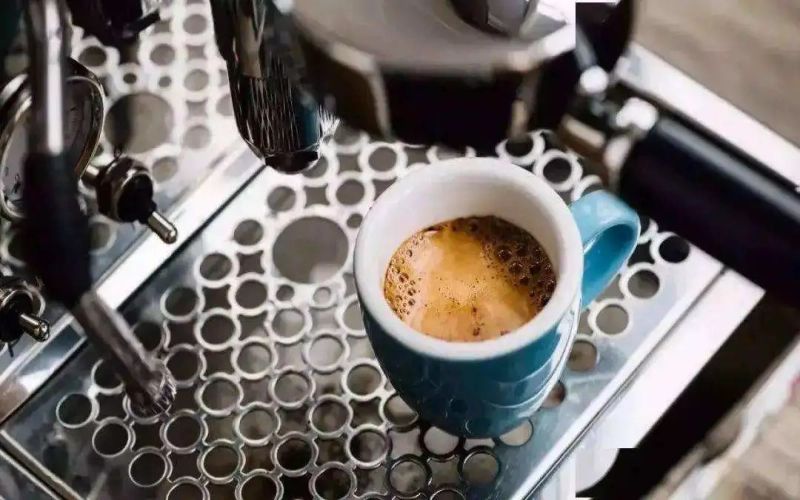
The Road to UNESCO Heritage Status for Espresso and the Century-Long Evolution of the Espresso Machine
A small cup of espresso carries Italy's profound cultural heritage and the marks of change from the industrial age. From the birth of steam-powered coffee machines at the end of the 19th century, to the iterative upgrades of spring piston and semi-automatic espresso machines in the 20th century, and then to today's globally popular café culture, espresso has gone through more than a century of development. At the same time, Italy has been working since 2016 to seek intangible cultural heritage status for espresso, and it has now finally entered UNESCO's formal review process. This article will take you through the history of the development of the espresso machine and bring you the latest progress on its heritage application. [more…]
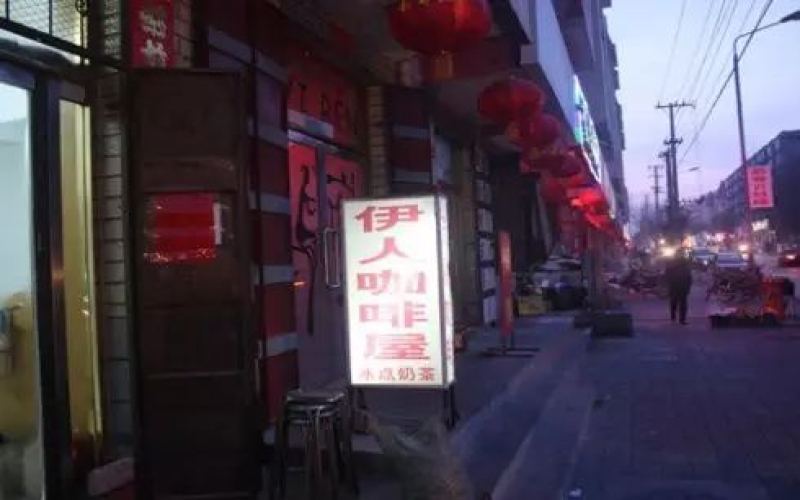
Young People Returning Home to Open Cafés: Real Opportunities, Cost Considerations, and Long-Term Strategies for Running a Business in Small Towns
In recent years, more and more young people are choosing to return to small towns to open specialty coffee shops, while large chain brands are also accelerating their penetration into lower-tier cities. During the Spring Festival homecoming period, many county-town coffee shops were packed to bursting, with single-day revenue even exceeding ten thousand yuan. Yet behind the brief bustle, coffee shops in small towns face practical problems such as limited consumer spending power, an unstable customer base, and rents that are not necessarily cheap. Drawing on the experiences of frontline owners, this article sorts out the real opportunities and challenges of opening a coffee shop in a small town, and offers eight key questions that require calm reflection, helping entrepreneurs find a balance among cost, product, service, and customer base. [more…]